Scope
I work within Google’s internal learning and enablement organization for the Global Business Organization (GBOedu). I lead visual design across creative, learning, UX/product, technical and stakeholder needs, with responsibility spanning visual systems, creative direction, scalable production and digital experiences.
As teams, leadership and vendors changed, my role also became a source of continuity: turning ambiguous requests into workable approaches, connecting design decisions to implementation, and helping teams move forward when the path was unclear.
The design function
Within GBOEdu, the visual design function spans learning programs, internal brands, digital tools, presentation systems, motion, editorial communications and production. My work also covers the infrastructure behind those outputs: reusable templates, centralized asset repositories, design governance and emerging AI-assisted workflows.
Brand & visual systems · Learning & content experiences · Digital products & prototyping · Presentation & communication systems · Motion, illustration & production · Governance, assets & AI workflows
Selected work
Three examples of the kinds of problems I am often brought into: evolving visual systems, technical constraints and repeated work that needs a more scalable solution.
01 · Visual systems
From one rebrand to a connected brand system
The original brief was to create a fresh identity for GBOEdu and make a clear break from the existing Mastery brand. I developed and presented several initial directions around that brief, using the explorations to guide alignment around the visual direction rather than treating the work as a single proposed solution.

Partway through the work, a broader organizational change introduced a new parent structure above GBOEdu and several other groups. That changed the problem, not just the deliverables. I paused the child identity and shifted the work upstream, defining the parent system first so the brands would not evolve independently.
Once that foundation was established, I returned to GBOEdu and adapted the earlier work within the new structure, reusing what still made sense and developing the guidelines and rollout materials around it. The project became less about following a fixed rebrand brief and more about reorganizing the work as the structure changed without losing useful progress.
02 · Digital systems + implementation
When the requested feature wasn’t the real problem
A cross-functional team asked whether several third-party websites could be embedded into a single page within the corporate Google Sites environment. After researching the platform and its constraints, I found that the requested implementation was not realistically possible.
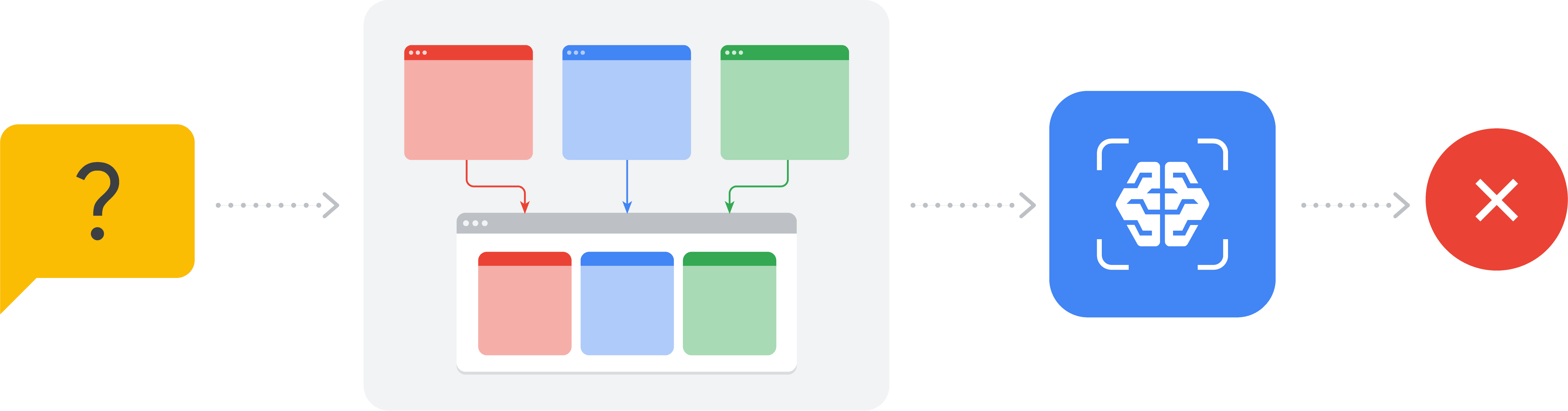
Instead of treating that as the end of the request, I stepped back and clarified the underlying need. The team did not actually need embedded websites, they needed one reliable place to surface information from several sources.
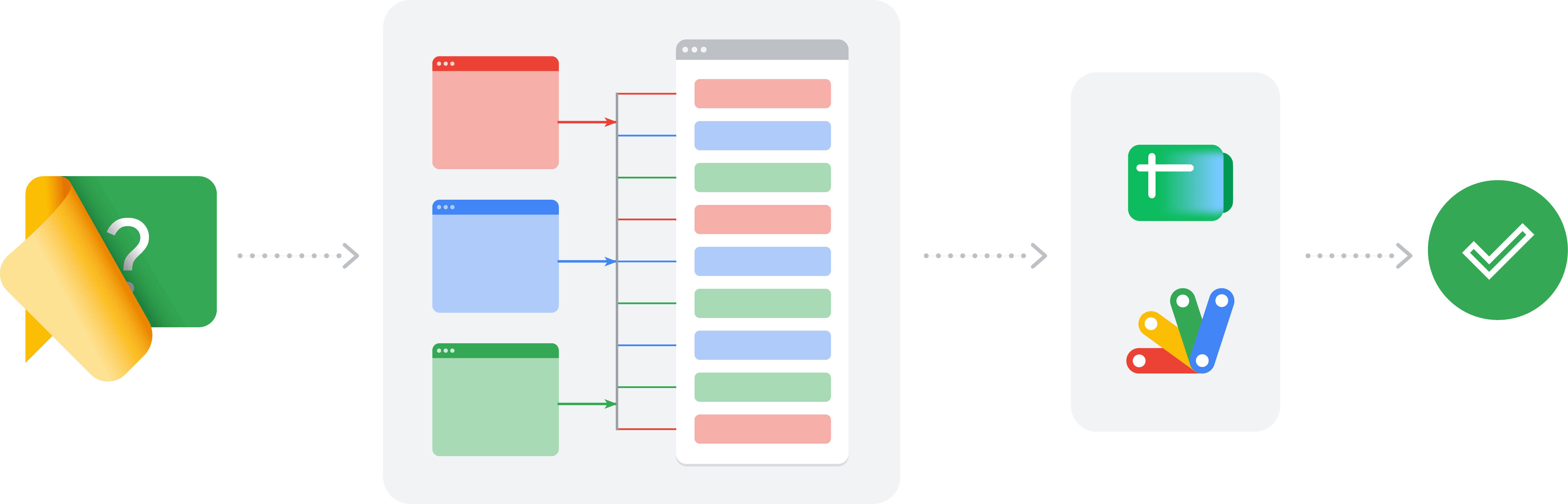
I reframed the problem, proposed an automated data layer, and carried the idea far enough across design and development to make it real. The first implementation succeeded, and the same approach was later reused for events, calendars, resource content and other structured experiences.
03 · Scale + production
Turning recurring requests into reusable systems
Across the programs I supported, similar requests kept returning in different forms. They often appeared to be separate design tasks, but underneath them were the same layout decisions, assets, standards and production questions.
I treated that repetition as a systems problem. Instead of solving the same thing again each time, I identified what could be standardized, automated or made reusable. Repeated layouts became templates, shared visual decisions became libraries and components, and recurring production questions became clearer standards. Presentation work followed the same logic: masters, modular themes and locked components let non-design teams assemble compliant decks without rebuilding the visual system each time. The result was less dependency on individual designers, faster starting points for teams, and more consistency without requiring everyone to relearn the system from scratch.
Leadership across the function
Beyond the selected cases
Beyond individual projects, I helped maintain visual quality across the wider design function through creative direction, design reviews, designer guidance and evaluation, and hiring support. I also worked with stakeholders and vendors to translate changing priorities into workable design approaches, keep production moving, and resolve problems that did not fit neatly into a conventional design brief.
Selected visual work
Alongside that broader responsibility, visual design remains an important part of my practice. Below is a selection of work across iconography, illustration, motion, presentation systems, information design and digital experiences.





Note
Some examples may be simplified, reconstructed or shown with placeholder content to protect confidential internal work.